Frozen vs Chiller vs Cool Storage: Which Cold Room Temperature Do You Need?
Introduction
Why Temperature Choice Is the Most Important Decision
Pick a temperature that's too cold and you'll burn cash on electricity and dehydrate your produce. Pick one that's too warm and you risk spoilage, food poisoning lawsuits, and wasted stock.
Most Malaysian operators don't realise that cold rooms come in four very distinct tiers. Each tier suits different products. Get this right once and your operations run smoothly for years. ❄️
This guide compares all four — frozen, freezer, chiller, cool — and ends with a quick matching table so you can pick in 30 seconds.
-18°C Frozen Cold Room

Best For
Frozen chicken, beef, mutton, seafood, frozen vegetables, frozen durian pulp, ice cream wholesale stock. Anything that should arrive frozen and stay frozen until cooked.
What to Watch
Freezer burn is the silent killer. Stock should be vacuum-sealed or in airtight crates. Open boxes lose moisture in 48 hours and your durian pulp turns chalky. 🥩
-5°C to -10°C Freezer
Best For
Pizza dough, croissant dough, pastry blocks, par-baked bread, ice cream destined for daily scooping, and ice for restaurants.
Why Not Just Use -18°C?
Doughs at -18°C become rock-hard and need 4 hours to thaw. At -5°C to -10°C, they stay workable within 30 minutes. Ice cream parlours scoop straight from this temperature without arm strain.
2°C to 4°C Chiller
Best For
Milk, yoghurt, cheese, butter, fresh herbs, prepped salads, fresh fish on ice, sushi rice, fresh flowers, and most ready-to-eat meals. The single most-rented tier in Malaysia.
Restaurant Example
A typical bistro in Bangsar needs about 8 m² of chiller space. Hotels in George Town typically run 20–40 m² chillers behind the kitchen line.
7°C to 10°C Cool Storage
Best For
Soft drinks, isotonic drinks, sauces and condiments, certain fruit storage (apples, citrus), dry-aged beef cabinets, vaccines requiring "cool storage" classification, and select cosmetics.
Energy Bill Advantage
A cool-storage unit uses roughly 40% less electricity than a chiller of the same size. For high-volume beverage warehouses, this saves thousands of ringgit per month. ⚡
Matching Temperature to Stock
Quick-Pick Table
Need to keep it solid? Frozen (-18°C) for raw meat/seafood, Freezer (-5° to -10°) for doughs.
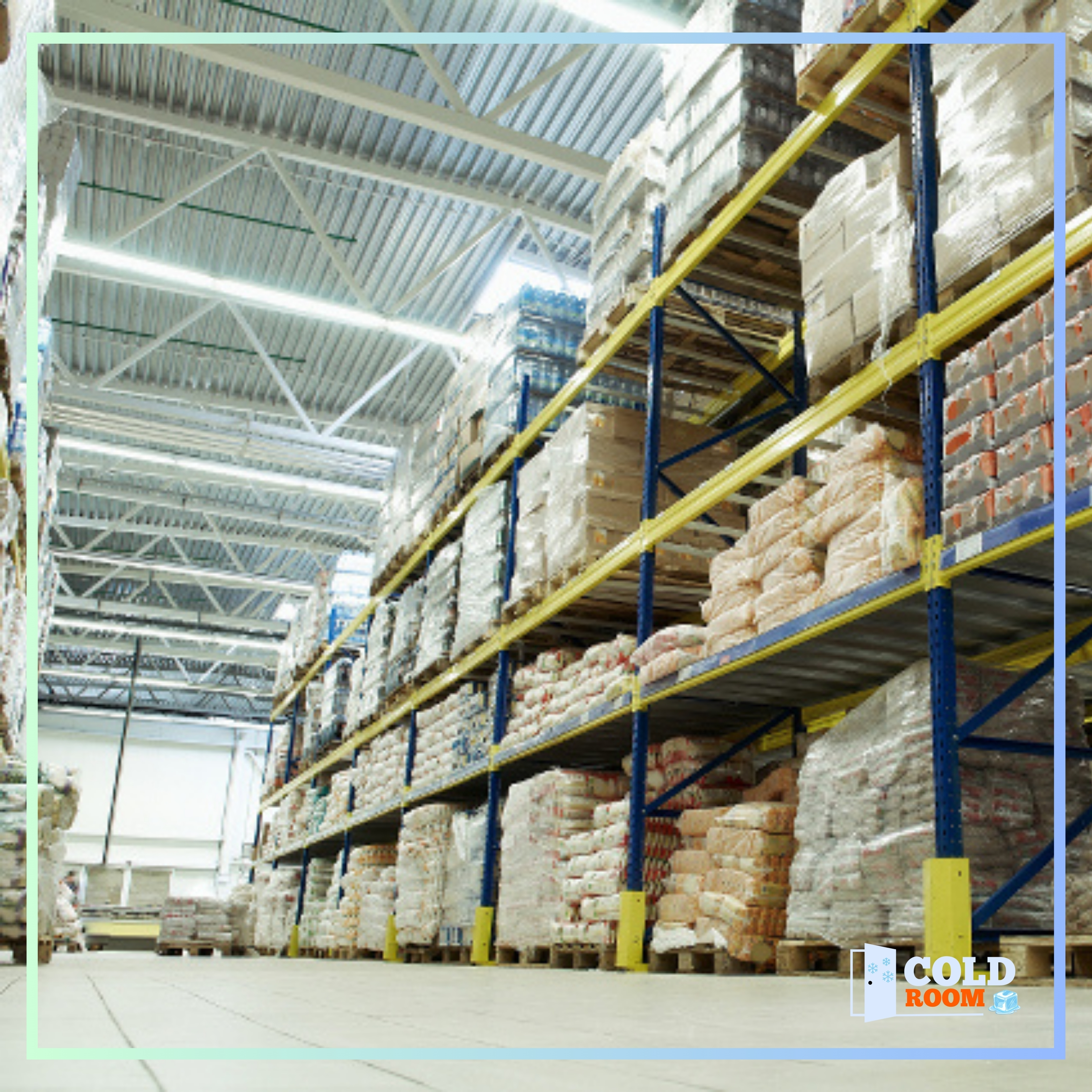
Need to keep it fresh and cold? Chiller (2° to 4°C) for dairy, fresh produce, prepped meals.
Need to keep it cool but not cold? Cool storage (7° to 10°C) for beverages, sauces, pharmaceuticals.
What If You Need Mixed?
Order two units, or rent a "split-zone" unit with two compartments. Many Shah Alam caterers run a frozen + chiller combo for full event coverage.
Did You Know?
💡 The wrong temperature is the #1 reason home-based F&B businesses fail their first SSM food safety audit. Even one degree off can fail a HALAL inspection. Read more in our HALAL cold storage guide.
Not Sure Which Temperature?
WhatsApp us your stock list. We'll recommend the right tier in under 5 minutes — no obligation.
Conclusion
Match the temperature to your stock and your cold room rental will pay for itself in saved electricity and zero spoilage. When in doubt, send us a WhatsApp — picking the wrong tier is the most expensive mistake in cold storage.
FAQ
Can I switch temperatures during the rental?
Most units can be re-set within 4–6 hours, but constant switching shortens compressor life. Choose one band per rental.
What temperature for frozen durian pulp?
-18°C in vacuum bags. Anything warmer and the pulp degrades flavour within a week.
Is 4°C OK for raw chicken?
Only for 1–2 days. Long-term raw chicken storage needs -18°C frozen.
What about wine storage?
10°C–14°C is ideal. We provide cool-storage cabinets calibrated for wine on request.
HALAL fleet, same-day delivery across Peninsular Malaysia. Quote in 5 minutes.
WhatsApp Now